
Travel
Top 10 Dog-Friendly Hiking Trails in the World


Top 10 Dog-Friendly Hiking Trails in the World
Just like humans, dogs get bored of routines. The signs are easy to spot—change in behavior, restlessness, the need to stay outdoors longer, and for some, destructiveness and aggression. What can you do when your pet craves something more exciting and unique? Take them somewhere new, of course. Find an offbeat path, grab your dog and some water and disconnect from the world!
Are you now wondering, Is hiking good for dogs? The answer to this question is big, fat, yes! If you’re longing to get away from the city, take the road less traveled and try out any of these dog-friendly hiking trails. You won’t be disappointed.

Ocean Path and Gorham Mountain Loop Trail, Acadia National Park, Maine
The Gorham Mountain Loop is a picturesque get-away like none other. And yes, it is completely dog-friendly. Overlooking the gorgeous blue waters of the Atlantic ocean, this trail offers you and your dog a 2-mile hike over mountain ledges and the Sand Beach.
Prefer something less strenuous? How about the Ocean Path? It’s a less challenging stroll along the coastline but has equally stunning views to offer.

Stonebarrow Walk, Golden Cap Estate, Dorset, England
Hikes with dogs at the Golden Cao Estate is all about enjoying the views of the coastline, climbing over rolling hills, running along indented paths, and strolling through several open fields and picnic-worthy meadows. The 1.7-mile-long trail is extremely well maintained, and has a lot to offer.

Rose River Trail, Shenandoah National Park, Virginia
Spanning across 3.7 miles, this trail will take you and your dog along the Rose River for some spectacular sights, of which the magnificent Dark Hollow Falls is the highlight. These falls are hidden in dense forests, so if you’re looking for tranquility and silence, this is your spot. Ever tried trout fishing with your dog? Now’s the time!
Read up on park and trail recommendations, especially pet etiquette before you head out.

Bear Peak Canyon Loop Trail, Boulder, Colorado
Perfect for hikers, horses, and dogs, the Bear Peak Canyon Loop is a raw, wild, and adventurous trail. It stretches over 8 miles, and offers a challenge should you and your pet be up for it!
This strenuous hiking trail is rocky and narrow at points. From dirt paths to narrow trails through poison-ivy undergrowth, the Bear Peak Canyon Loop is one of the best dog-friendly hiking trails you can find. There are some popular sporting dog breeds which are always ready to join you for these types of hikes, also between March and November, this trail offers its visitors a slew of interesting activities in which to indulge.

Partnach Gorge, Garmisch-Partenkirchen, Bavaria, Germany
Thinking of a summer hike? The Partnach Gorge is a gorgeous trail to hike in the warmer months. Engulfed by waterfalls and massive rock faces, this trail will take you to another dimension with its airiness and sensational vibe. Yes, they welcome dogs, so long as they’re leashed.
The Partnach Gorge is wild in every sense of the term—you’ll hear the water gushing through the canyon, you’ll see the rapids and still basins, and the greeny, oh my! The tales of men lost in the gorge deepens the sense of awe you’ll feel when hiking. An hour from the south of Munich, this trail is also home to many picturesque destinations like the Ferchenbachtal Valley, Mount Eckbauer, Mount Hausberg, and more.

Duck Pass Trail in Inyo National Forest, Mammoth Lakes, California
The Duck Pass Trail, which is about 9.5 miles long, is an out and back trail that features a beautiful lake, and the areas surrounding it are ideal for camping.
Whether you’re fishing, birdwatching, or simply tripping in nature with your dog, the Duck Pass Trail has something exciting for every kind of adventurer. Take in the views of the Mammoth Mountain and spend a lovely day out in solitude to revive your senses.

ALSO READ: Essential First Aid Skills That Will Help You to Survive in the Wilderness
Twin Peaks Trail, Palmer, Alaska
Whether you fancy a short and easy walk along the Eklutna Lake or a hardcore climb up a 5,000-foot peak, the Twin Peaks Trail offers you the best of both worlds. The path is rocky, but the views are to die for!
A short drive from Palmer, the Twin Peaks Trail is stacked with free-flowing streams like Bodenburg Creek, the Matanuska Valley, rivers such as the Matanuska River, and an endless list of mountain peaks.

Twin Peaks Trail, Palmer, Alaska
Kaiwi State Scenic Shoreline Trail, Honolulu, Hawaii
Nestled between Waimanalo and Hawaii Kai, the Kaiwi State Scenic Shoreline trail is packed during the whale watching season. Paved with beautiful views and an impressive landscape, this scenic trail is a short out and back hike of about 2 miles.
If you’re on this trail with your dog, you must check out the Makapu’u Lighthouse. Perfect for hikes between November and March, the Kaiwi State Scenic Shoreline trail is a tropical paradise and one of the most pleasant dog friendly hiking trails for nature lovers.

Chamonix to Le Brévent, Chamonix-Mont-Blanc, France
Moss-covered mountain peaks, clear blue skies, and sea green waters make up the hiking trail from Chamonix to Le Brévent. Nature at its best, this part of France should ideally be visited in the summer months. The one-way takes 5 hours to complete, but you could always cable car it to Planpraz and hike up about 2525 m to Le Brévent.
On this trail, you get to bask in the stunning views of Mont-Blanc, the rolling clouds, and some mesmerizing glaciers.
Do you and your dog love snow? put on your trekking boots and start hiking at chamonix-mont-blanc.

White Rock Hills Loop at Red Rock Canyon, Las Vegas, Nevada
The White Rock Hills Loop is about 6.1 miles, and it takes up to 3.5 hours to complete. Home to the most exquisite desert blooms you’ll ever see, this pet-friendly hiking trail is moderately strenuous.
With hidden juniper and pinyon forests to explore, this trail flaunts rocky and sandy terrain that is perfect for dogs because they have ample space to roam about. It does get particularly hot here, so make sure you and your dog have your weather-appropriate gear and plenty of water to drink.

Hiking Safety For Dogs
If you’re hiking with your dog for the first time, you might want to consider some of these safety tips for a smooth and enjoyable time.
- Take precautions to avoid overheating, especially on trails that expose you and your pet to direct sunlight for prolonged periods.
- Make sure you give your dog plenty of water breaks. Since they don’t sweat like humans, it’s easy to forget they need hydrating.
- If you see ticks on fleas on your dog while you’re hiking, be sure to remove them immediately.
- Since there aren’t many off-leash dog hiking trails, help acclimate your dog to long walks on the leash.
- For your dog’s safety, always carry appropriate hiking gear such as poop bags, collars with tags, leashes that are at least 6 feet long, a first aid kit for your pet, and pet snacks.
Most importantly, don’t overestimate your dog’s hiking capacity. It is natural to assume that dogs can explore from sunrise to sunset. However, that is not always the case.
We recommend checking with your vet and asking questions like How long of a hike is too long for a dog? and get practical advice specific to your pet and its current fitness levels.
ALSO READ: 5 Essential Things to Bring for Your Beach Camping Trip

Final Thoughts
Hiking is not only a great form of exercise, but it’s also a great way to spend quality time with your dog. Walking and climbing through unknown territories, challenging terrains, and scenic routes is the best way to bond with your dog and improve companionship on multiple levels.
Try any of these dog-friendly hiking trails and have the time of your lives!


If you glance towards the sky, or take on a plane, you’ll typically see large aircrafts that carry thousands of people. They are mostly owned by the two biggest manufacturers of aircraft worldwide -the Airbus (Europe) and Boeing (USA). Both companies manufacture commercial jets that appear like one another initially. However, with a keen eye, you’ll be able to discern whether an aircraft is Airbus as well as one from Boeing.
What is the difference?
- Travel Enthusiasts: Aviation lovers enjoy spotting different aircraft types.
- Safety and Comfort Certain travelers have preference to Airbus and Boeing models.
- Basic Awareness Being aware of the basic can make air travel more enjoyable.
The key differences between Airbus as well Boeing
Nose Shape
- Airbus Most often, it has a large, bulbous nose that is rounded (looks like an animal face).
- Boeing: Features an more pointed, sharper nostril with a more modern design.
Example Consider: Compare one of the Airbus A320 (round nose) with the Boeing 737 (pointed nose).
Cockpit Windows
- Airbus Windows feature a more straight/square style and include a Vertical window frames.
- Boeing: Windows are more bent and tilted which gives a more sharp appearance.
Aviation spotters frequently say: If the cockpit window appears like “eyebrows,” it’s a Boeing.
Front Landing Gear Door
- Airbus Door to the nose of the aircraft usually displays the model number of the aircraft (like A320, A330).
- Boeing: Generally does not show its model at the door to the landing gear.
Wingtips
- Airbus It uses sharklets or curving vertical fins at the wingstips.
- Boeing: Traditionally used to have blended wingslets (curved upwards). The latest models, like 737 MAX have split winglets designed to look like an “V”.
Engines
- Airbus Airbus engines appear slightly smaller on the bottom due to the clearance from the ground.
- Boeing The engines are generally perfect round but on 737s, they can appear flat in the lower part due to less ground clearance.
Fuselage (Body) Shape
- Airbus The more round and consistent across.
- Boeing: Some models sport an a little more tapered rear fuselage close to the rear.
Tail Design (Vertical Stabilizer)
- Airbus The tails are often more round and are larger.
- Boeing: Tails are typically smaller and taller.
Popular Models to Look Out for
- Airbus A320 Family: Medium- and short-haul aircrafts with a round nose, frequent in airlines such as IndiGo, Air India, and Vistara.
- Boeing 737 Family: Rival to A320 as seen in SpiceJet along with Akasa Air.
- Airbus A350 vs. Boeing 787 Dreamliner: Both are modern, long-haul jets. The A350 is distinguished by an distinctive “masked” view of the cockpit style The 787 sports an more rounded, smoother nose.
Simple Tips for Travelers
- Check out your window of the cockpit first. Square = Airbus Angle = Boeing.
- Take note of The nose It’s round. Airbus and pointed = Boeing.
- Examine the tips of the wing -Curved sharklets are Airbus split or bent winglets = Boeing.
- Take a look at the information about the gate to board The airports generally have the model of the plane (e.g. B737, A320 B787, A320).
The Common Confusions
- Airbus A320 vs. Boeing 737: The most complicated pair. The cockpit window’s shape and the angle of the nose are among the easiest to identify.
- Airbus A350 vs. Boeing 787: Both have advanced designs. Keep in mind that A350 features the black cockpit “mask,” while the 787 has more rounded curves.
The Final Words
The distinction between Airbus or Boeing aircraft isn’t so difficult as you think. If you pay close attention to the shape of the nose and the windows in the cockpit, as well as engines and the wingtips it is easy to discern the difference between them. As time passes frequent flyers develop an sense of spotting subtle differences in a matter of seconds. If you ever take a flight or see one in the sky take these tips and make your friends jealous of your knowledge of aviation!
Travel
Tirupati Balaji Mandir: Darshan time, Normal Fee, VIP Fee and Top Factors That Affect Darshan Time

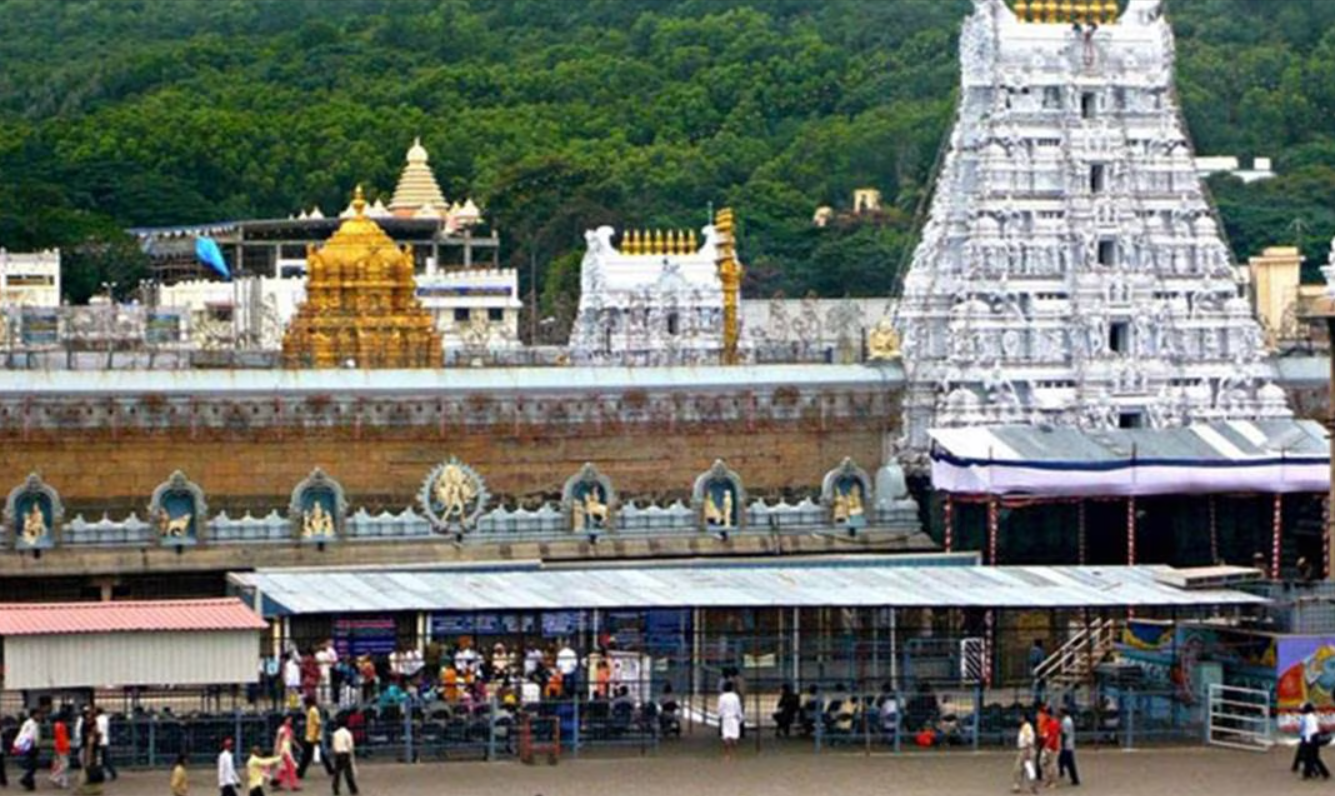
Tirumala Tirupati Balaji Temple located in Andhra Pradesh is one of the most frequented pilgrimage destinations around the globe. Every every day, thousands of worshippers are attracted to the shrine to pray for the blessings from Lord Venkateswara. One of the most common questions many people ask is” “How many hours is required for Tirupati darshan?” The answer is contingent on the kind of darshan, the crowd size and the time when you visit.
Standard Time of Tirupati Darshan
Darshan’s duration can vary between 2 up to 20+ hours according to the category of darshan you select:
| Typ of Darshan | ticket Cost | Average Darshan Time |
| Sarva Darshan (Free Darshan) | Free | Between 8 and 20 hours (or longer in the case of celebrations) |
| Special Entry Rs300 Darshan (Seegra Darshan) | Rs300 per person | Between 2 and 4 hours |
| Divya Darshan (Footpath Walk Alipiri, and Srivari Mettu)** | Free | Between 6 and 10 hours |
| VIP Break Darshan (Recommendation Letter / Protocol) | Variable | Between 1 and 2 hours |
An In-depth Explanation of Each Darshan Type
1. Sarva Darshan (Free Darshan)
- This is the simplest darshan that is free of charge.
- On a normal day on a normal day, it can take 8 to 12 hours.
- On holidays, weekends and even festivals such as Brahmotsavam the wait duration can be as long as twenty to thirty hours.
- Devotees are required to sit in long lines and wait in separate areas.
2. Special Entry of Rs300 Darshan
- It is the most sought-after and efficient option.
- Ticket costs $300 per ticket and tickets must be booked online on TTD’s official website. TTD site.
- The average darshan time is 2 – 4 hours dependent on the crowd.
- The best for families, older individuals, or those who need faster darshan.
3. Divya Darshan (For Walking Pilgrims)
- The devotees who walk from Alipiri (11 km) or Srivari Mettu (2.1 km) are given special entry tokens.
- It typically takes about 6 to 10 hours which includes trekking and wait time.
- Darshan is offered for free and is loved by many devotees due to its significance in the spiritual realm.
4. VIP Break Darshan
- The VIP room is available to ministers, officials from the government and individuals with recommendation letters from authorities higher up.
- Darshan time is incredibly fast, typically between 30 and two hours.
- Devotees must follow a proper dress code (dhoti/saree/traditional wear).
Factors that Affect Darshan Time
| Factor | Effect On Darshan Time |
| Day of Visit | Festivals and weekends are usually more than crowded |
| Season | The holidays of summer and New Year’s Eve Vaikunta Ekadashi are peak seasons. |
| Time Slot | Early morning darshan takes less time |
| Festivals & Events | Brahmotsavam and Rathotsavam both increase the waiting time |
| Seniors / Disabled Services | TTD offers darshan facilities for seniors and differently-abled individuals. |
Tips to Cut Down the Time You Wait
- Get Rs300 Special Entry Darshan tickets ahead of time
- Avoid public holidays, weekends and during festival hours.
- Select early morning times (3 am – 7:15 AM)
- Utilize Sheegra Darshan Senior Citizen Darshan or Divya Darshan If applicable
- Keep up-to-date via on the TTD official website or the Mobile App
Conclusion
The duration for Tirupati darshan ranges between 2 hours and 20 hours, depending on the kind of darshan you want to experience and the number of people. If you are looking for a faster experience, the Special Entrance Darshan is the most suitable option. Darshans that are free can take a long periods of time, but it is highly regarded by many devotees because of its spiritual significance.
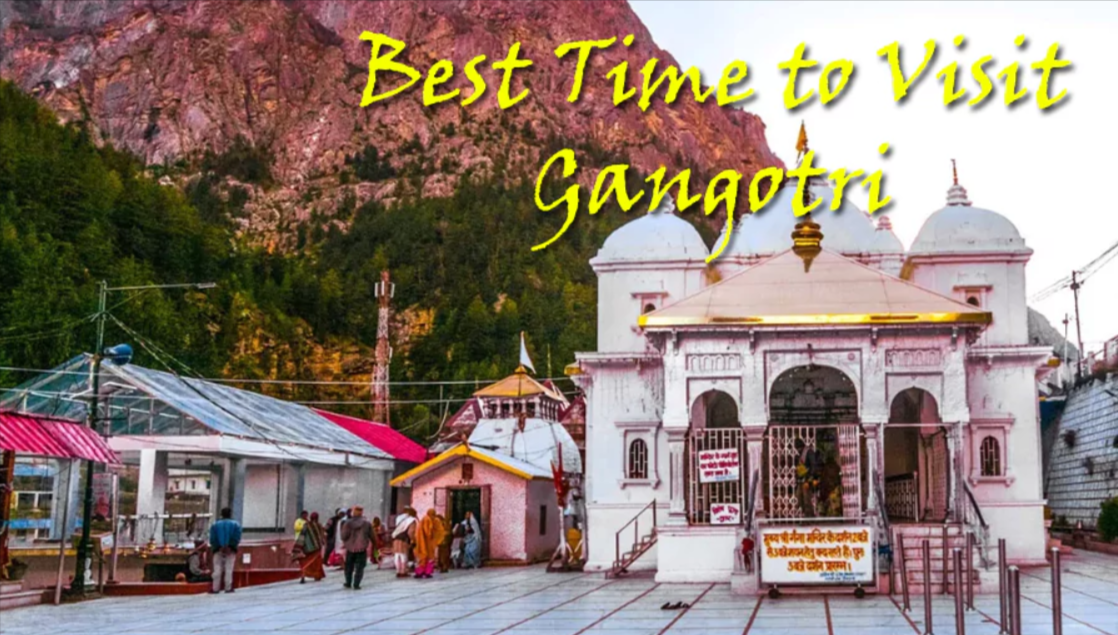
Gangotri is one of four Char Dham pilgrimage centers in Uttarakhand (India). It’s a peaceful and spiritually significant place for nature lovers and devotees alike. Gangotri, located at 3,100 meters above sea level in the Garhwal Himalayas offers stunning views of snow-capped mountain ranges, lush valleys and cascading falls. It’s important to pick the right time of year for your trip, because Gangotri has a variety of weather conditions.
Gangotri Summer (April to June)
Summer, between April and June, is the ideal time to visit Gangotri. The weather during this time is ideal, with temperatures between 10degC and 20degC. This makes it perfect for trekking and sightseeing. Around late April or early may, the temple doors will open to mark the beginning of pilgrimage season. The clear skies, lush greenery and blooming flowers provide the perfect backdrop for spiritual exploration and activities. The summer is the best time for trekkers to tackle the difficult journey up to Gaumukh glacier, which is the source of Ganges.
Gangotri during the Monsoon season (July-September)
Gangotri receives heavy rain during the monsoon, which lasts from July to September. Travel is difficult and dangerous in the region due to the risk of landslides. Trekking can be dangerous due to the increased water level in the river. The rain can transform the landscape to a lush green oasis, and the falls become more powerful, adding beauty to the area. It is important to check the weather and road conditions before you travel during monsoon season.
Gangotri Autumn (September – November)
The autumn, between late September and early November, is also a great time to visit Gangotri. Rains have stopped, allowing the landscape to be refreshed and rejuvenated. Temperatures range between 5degC and 15degC during this time, which makes the weather comfortable. The temple is open and there are fewer people than during the summer peak season. This allows for a more serene and peaceful environment to worship and explore. Autumn is a great alternative to summer because of the crisp mountain air and clear skies.
Gangotri Winter (November to February)
Due to the heavy snowfalls and temperatures that can fall below -5degC, Gangotri cannot be accessed during winter, between November and March. During this time, the temple is closed and the idol is taken to Mukhba (a village near Harsil) for worship. The roads leading to Gangotri can be blocked by heavy snowfall and harsh weather conditions. Harsil, a nearby destination, offers a peaceful atmosphere and snow-covered landscapes for those who want to experience the Himalayan winter beauty.
The conclusion of the article is:
Gangotri’s best months to visit are the months between April and June in the summer, or September to November in the fall. The best time to visit Gangotri is during the summer months of April to June and in the autumn months of September to November. These seasons are characterized by pleasant weather conditions, clear skies and safe travel conditions. Choose the best time to visit Gangotri, whether you’re visiting for a spiritual pilgrimage, hiking, or just to enjoy the tranquil environment.


Protected: Ozone Clinic Dubai Leading the Wellness Therapy Trend

Protected: Expansion Joint Suppliers in UAE Driving Flexible Infrastructure Growth

Protected: Best Urologist In Dubai The Rise of Advanced Care and Lasting Relief

Protected: Liposuction in Dubai The Rise of Sculpted Confidence and Modern Contouring

Top 10 Popular OEM Companies In India
-

 Entertainment8 years ago
Download Hindi Mp3 Songs
-
 Business8 years ago
How payday loans are becoming the preferred mode of choice
-
 SEO & Digital Marketing8 years ago
Generate More Views on Your Instagram Profile with Cool Graphic Designs
-

 Auto7 years ago
What are Some Budget Friendly Bikes in India?
-

 Entertainment8 years ago
Tips and tricks for safe winching
-

 Entertainment7 years ago
How might Super Hero Thor going to help other Avengers in the Avenger4?
-

 Entertainment8 years ago
Amusement and Water Parks to Visit in Delaware
-

 Entertainment8 years ago
Top Websites To Download Bollywood Songs And Music Free Online